
Resource Library
-
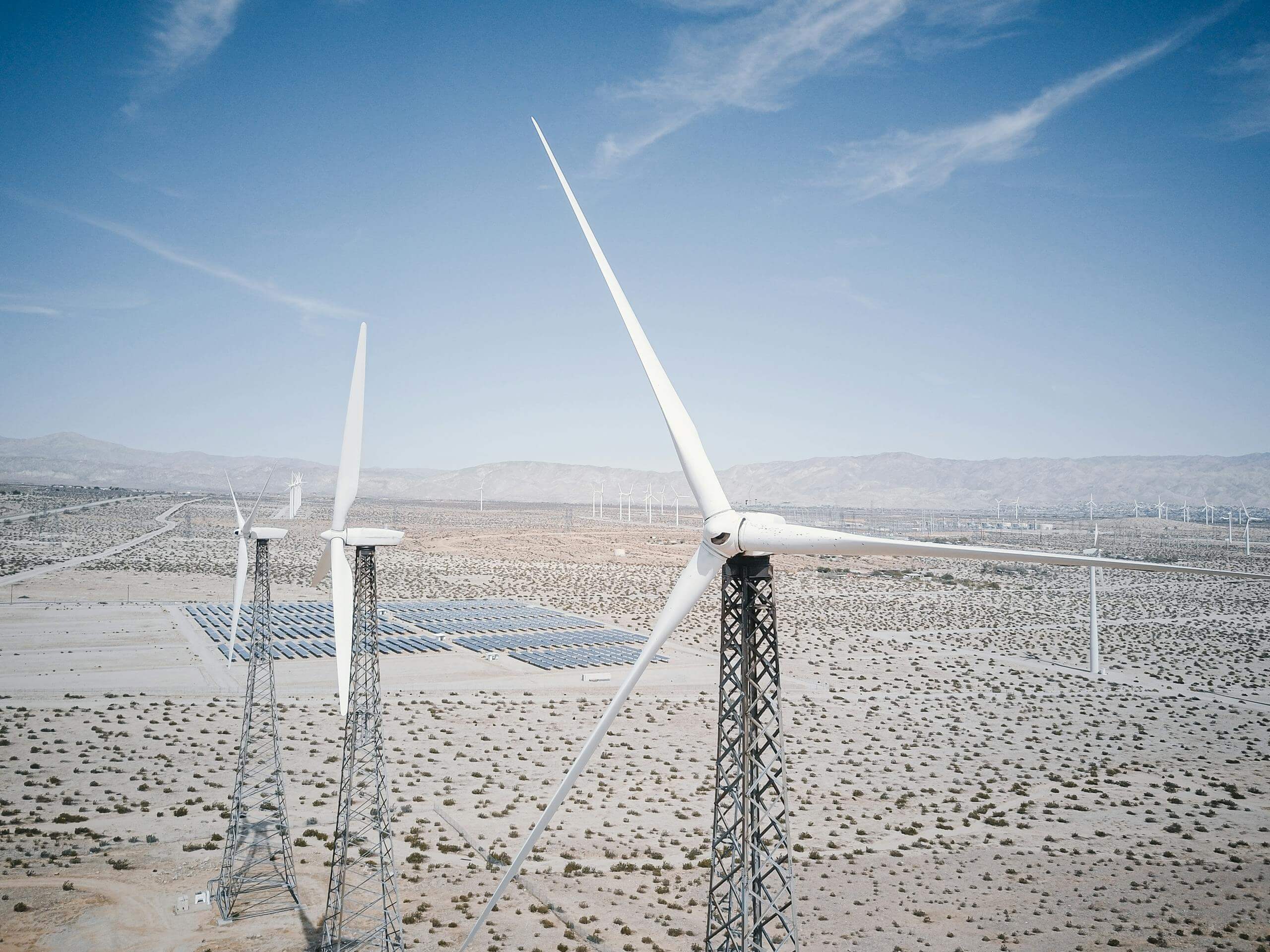
A Guide for Clean Energy Development for U.S. Tribes
This website serves as a resource guide for tribal communities interested in developing clean energy projects for their tribal members or on tribal lands. This website compiles resources of need-to-know information that is specific to clean energy development for tribal communities – including information about project ownership structures, legal pathways/barriers to development, and organizations currently leading this work to collaborate with. It includes a step-by-step guide for tribal communities to utilize when starting this process. All information shared on this website is from publicly available sources.
This is not an exhaustive list of information of resources, and this site is designed to be a living source of information that will be continuously updated with the most accurate information.
Ready to dive into the various categories of information related to clean energy project development for tribal communities?
Use the button below to check out this resource.Categories: Guidebook -
EPA Climate Pollution Reduction Grant Comprehensive Climate Action Plan (CCAP)
MTERA has created a Comprehensive Climate Action Plan (CCAP) to promote policies, practices, and technologies that reduce pollution, create high-quality jobs, drive economic growth, and enhance the quality of life for all Midwest Tribes. Funded by the Environmental Protection Agency (EPA) Climate Pollution Reduction Grant (CPRG), this plan focuses on reducing harmful greenhouse gas (GHG) emissions, addressing environmental injustices, and empowering community-driven solutions in Midwest Tribal communities.
To maximize the grant’s impact, MTERA partnered with eight Midwest Tribes. This plan’s analysis is grounded in the data and insight from this eight-Tribe subset of EPA Region 5 Tribes. The results and strategies are designed to be broadly applicable to Tribes across the Midwest regardless of where each is at in their climate action planning process – providing insight on major sources of GHG emissions by sector, the relative emissions reduction impacts, benefits, and costs of measures, and the process towards their implementation.
While several sections within this CCAP are a deep dive into the analysis of the eight participating Tribes, the findings and strategies from this CCAP are designed to be broadly applicable to Tribes throughout Michigan, Minnesota, and Wisconsin.
Additional Resources
- GHG Emissions Reduction Measures Tool
- Watch the Understanding the CCAP webinar
- CCAP Report Webinar Slides
- Priority Climate Action Plan
- Priority Climate Action Plan Combined Appendices (This document is now outdated with the publishing of the CCAP. For the most up-to-date information please refer to the CCAP instead.)
-
The Status of Tribes and Climate Change Report
“The Status of Tribes and Climate Change (STACC) Report seeks to uplift and honor the voices of Indigenous peoples across the U.S. to increase understanding of Tribal life, ways, cultures, and world-views; the climate change impacts Tribes are experiencing; the solutions they are implementing; and ways that all of us can support Tribes in adapting to our changing world. Given this, the STACC Report was written for diverse audiences, including Tribal managers, leaders, and community members; the authors of future National Climate Assessments; federal and state agencies and decision-makers; and nongovernmental organizations.”
Categories: Report -
Solar Futures Study
A dramatically larger role for solar in decarbonizing the U.S. electricity system, and energy system more broadly, is within reach, but it is only possible through concerted policy and regulatory efforts as well as sustained advances in solar and other clean energy technologies.
Categories: Report -
The Long-Term Strategy of the Unites States: Pathways to Net-Zero Greenhouse Gas Emissions by 2050
“Addressing the climate crisis requires immediate and sustained investment to eliminate net global greenhouse gas emissions by mid-century—and this presents a transformational opportunity for the Unites States and the world. investing in the clean technologies, infrastructure, workforce, and systems of the future creates an unprecedented opportunity to improve quality of life and create vibrant, sustainable, resilient, and equitable economies”
Categories: Report -
Navajo Residential Solar Energy Access as a Global Model
Here, this case study focuses on the Navajo Nation’s efforts to provided residential power access through solar photovoltaic systems to some of its approximately 34,000 remote off-grid tribal members. The solution the Nation has adopted in collaboration with Sandia National Laboratories offers insights into how the Navajo Tribal Utility Authority’s work could serve as a residential model to meet the needs of the 1.2 billion people globally who are without electrical residential power.
Categories: Case Study -
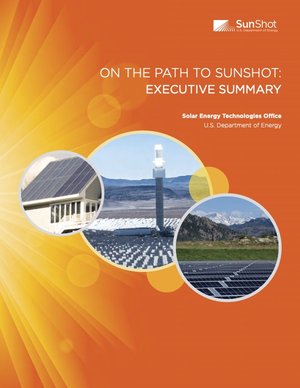
On the Path to Sunshot: Executive Summary
Solar technology, solar markets, and the solar industry have changed dramatically over the past five years. Cumulative U.S. solar deployment has increased more than tenfold, while solar’s levelized cost of energy (LCOE) has dropped by as much as 65% (Figure 1). As a result, today the solar industry is about 70% of the way towards achieving the Initiative’s 2020 goals. New challenges and opportunities have emerged as solar has become much more affordable, and we have learned many lessons as solar technologies have been deployed at increasing scale in the United States and abroad. The On the Path to SunShot series explores the remaining challenges to realizing widely available, cost-competitive solar in the United States.
Categories: Study