
Resource Library
-

2025, January Data Center Checklist Memo
2025, January Data Center Checklist Memo, Minnesota Public Utility Commission. This memo was drafted after a Regular Planning MTG, Tuesday, October 29, 2024, 9am – 1pm – Calendar of Upcoming Meetings and Events / Public Utilities Commission.
-
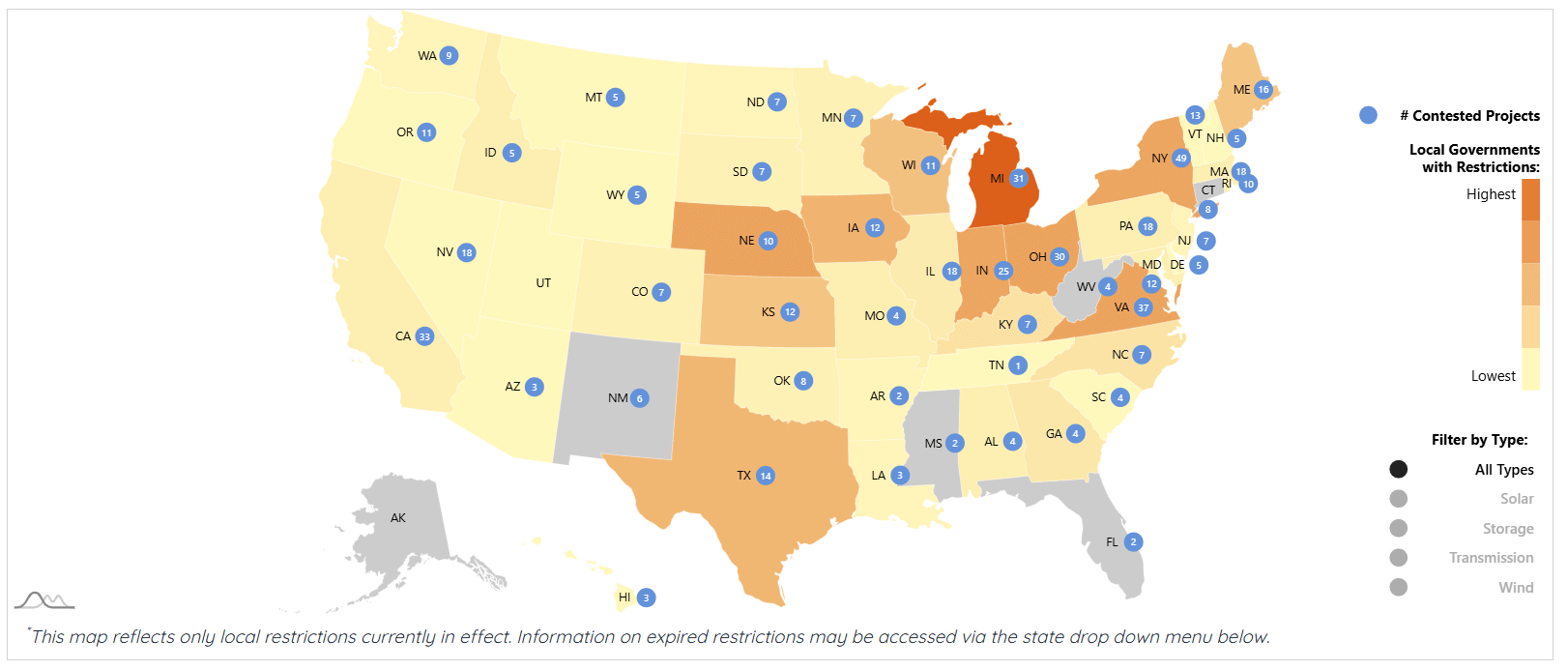
Opposition to Renewable Energy Facilities in the United States
This page provides current data and interactive features to supplement the Sabin Center’s report on Opposition to Renewable Energy Facilities in the United States: June 2025 Edition. Utilize the map to read about: (a) state and local restrictions that impede the siting and deployment of large-scale wind, solar, and battery storage projects, as well as related transmission projects; and (b) individual examples of contested projects that have faced significant opposition, including lawsuits and other actions, during the siting process. Note that some contested projects span multiple counties, but each project is only counted once in calculating state totals.
You can download the Restriction data and the Contested Project data.
-
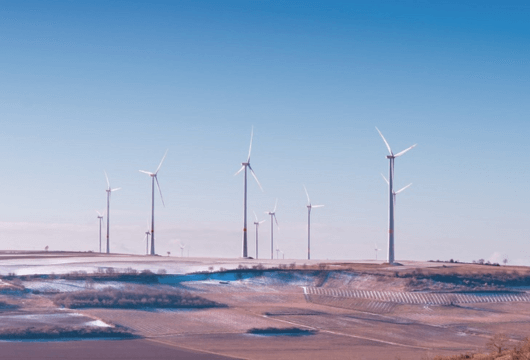
Recent Federal Policy Developments and Impact of OBBB on US Power Markets
The One Big Beautiful Bill (OBBB) was signed into law on July 4, 2025, delivering on a clear priority of the Trump 2.0 administration to extend the 2017 Tax Cuts and Jobs Act, which was set to expire at the end of 2025. Passed through the budget reconciliation process using a “current policy” approach, the OBBB funds these tax cuts primarily through cuts to clean energy and Medicaid.
The legislation has fundamentally altered the clean energy landscape, with nearly all energy-related aspects of the 2022 Inflation Reduction Act repealed or modified, while ongoing tariff negotiations, federal permitting difficulties, and safe harbor compliance uncertainty add additional headwinds for renewables and storage developers.
Key Impacts:
- Technology-Specific Tax Credit Phase-Out: Clean energy tax credits are no longer technology-neutral, with wind and solar projects facing a much sooner phaseout schedule than battery, nuclear, and other renewables projects, marking a significant departure from the IRA’s approach.
- Hard 2030 Deadline for Wind and Solar: Wind and solar projects now face a hard 2030 placed-in-service deadline for achieving tax credits (assuming construction start and FEOC provisions are met), replacing the IRA’s system that effectively set out clean energy tax credits in perpetuity or until power sector emissions reduction targets were reached.
- Significant Deployment Reductions: Modeling across seven competitive ISOs shows substantial decreases in wind, solar, and battery project deployments by 2035 compared to the July 2025 Power and Renewables Market Forecast Central cases, reflecting worsened project economics due to the loss of federal clean energy tax credits.
- Variable ISO Impact with Universal Price Increases: Some ISOs like CAISO and NYISO are better positioned to mitigate the loss of clean energy tax credits through existing programs and political willpower, including carbon prices, RPS programs, and state-led offshore wind buildouts, but even these markets face significant ATC price increases by 2035 due to limited alternative options for procuring cheap energy.
Download the report today!
-
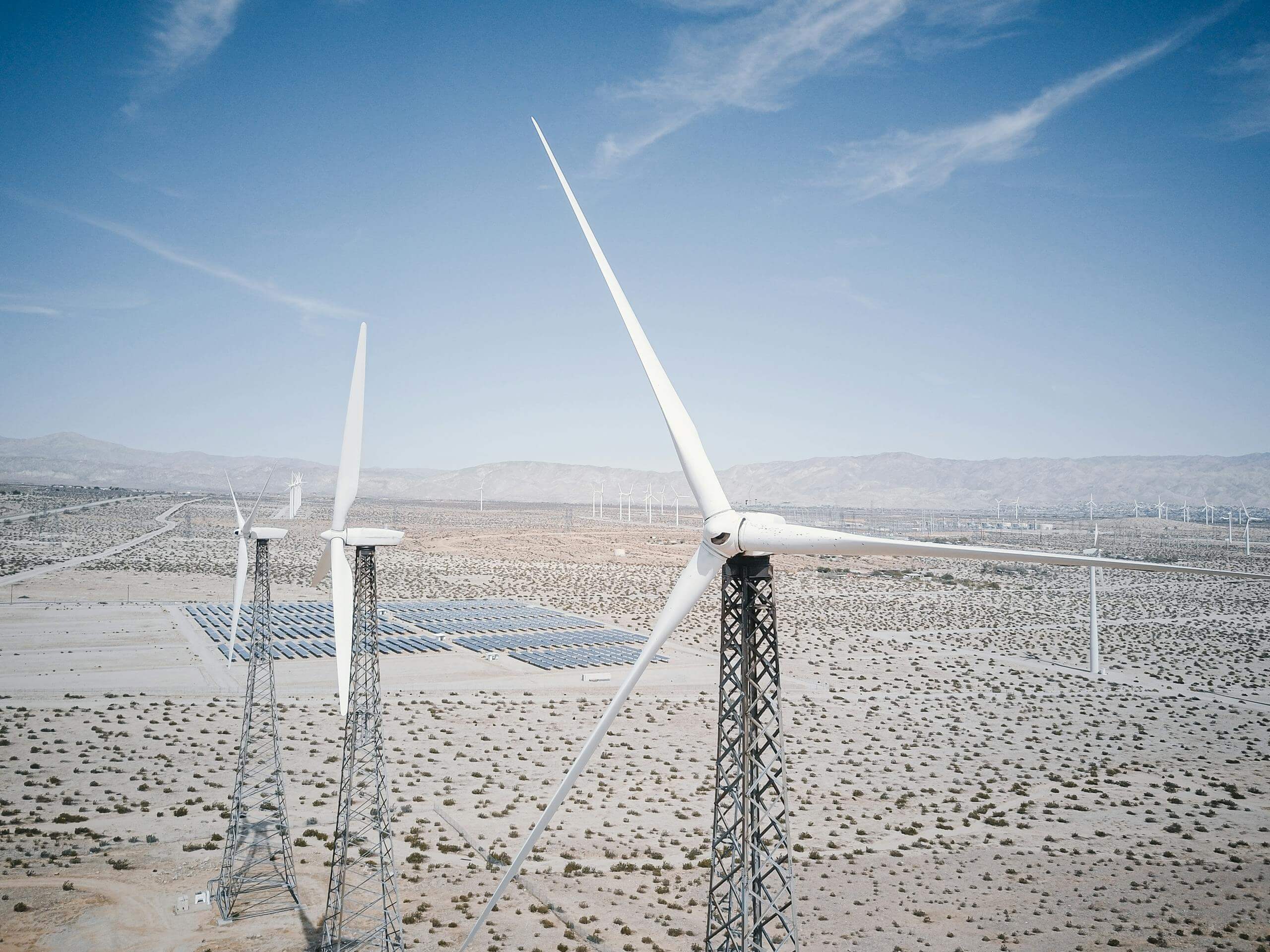
A Guide for Clean Energy Development for U.S. Tribes
This website serves as a resource guide for tribal communities interested in developing clean energy projects for their tribal members or on tribal lands. This website compiles resources of need-to-know information that is specific to clean energy development for tribal communities – including information about project ownership structures, legal pathways/barriers to development, and organizations currently leading this work to collaborate with. It includes a step-by-step guide for tribal communities to utilize when starting this process. All information shared on this website is from publicly available sources.
This is not an exhaustive list of information of resources, and this site is designed to be a living source of information that will be continuously updated with the most accurate information.
Ready to dive into the various categories of information related to clean energy project development for tribal communities?
Use the button below to check out this resource.Categories: Guidebook -
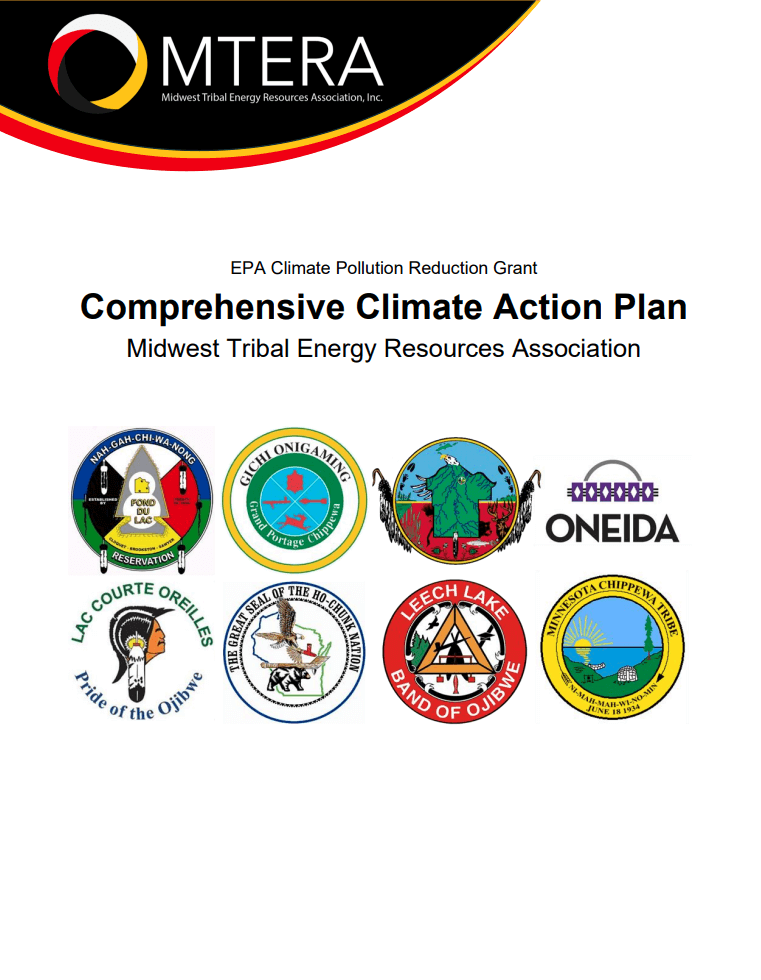
EPA Climate Pollution Reduction Grant Comprehensive Climate Action Plan (CCAP)
MTERA has created a Comprehensive Climate Action Plan (CCAP) to promote policies, practices, and technologies that reduce pollution, create high-quality jobs, drive economic growth, and enhance the quality of life for all Midwest Tribes. Funded by the Environmental Protection Agency (EPA) Climate Pollution Reduction Grant (CPRG), this plan focuses on reducing harmful greenhouse gas (GHG) emissions, addressing environmental injustices, and empowering community-driven solutions in Midwest Tribal communities.
To maximize the grant’s impact, MTERA partnered with eight Midwest Tribes. This plan’s analysis is grounded in the data and insight from this eight-Tribe subset of EPA Region 5 Tribes. The results and strategies are designed to be broadly applicable to Tribes across the Midwest regardless of where each is at in their climate action planning process – providing insight on major sources of GHG emissions by sector, the relative emissions reduction impacts, benefits, and costs of measures, and the process towards their implementation.
While several sections within this CCAP are a deep dive into the analysis of the eight participating Tribes, the findings and strategies from this CCAP are designed to be broadly applicable to Tribes throughout Michigan, Minnesota, and Wisconsin.
Additional Resources
- GHG Emissions Reduction Measures Tool
- Watch the Understanding the CCAP webinar
- CCAP Report Webinar Slides
- Priority Climate Action Plan
- Priority Climate Action Plan Combined Appendices (This document is now outdated with the publishing of the CCAP. For the most up-to-date information please refer to the CCAP instead.)
-
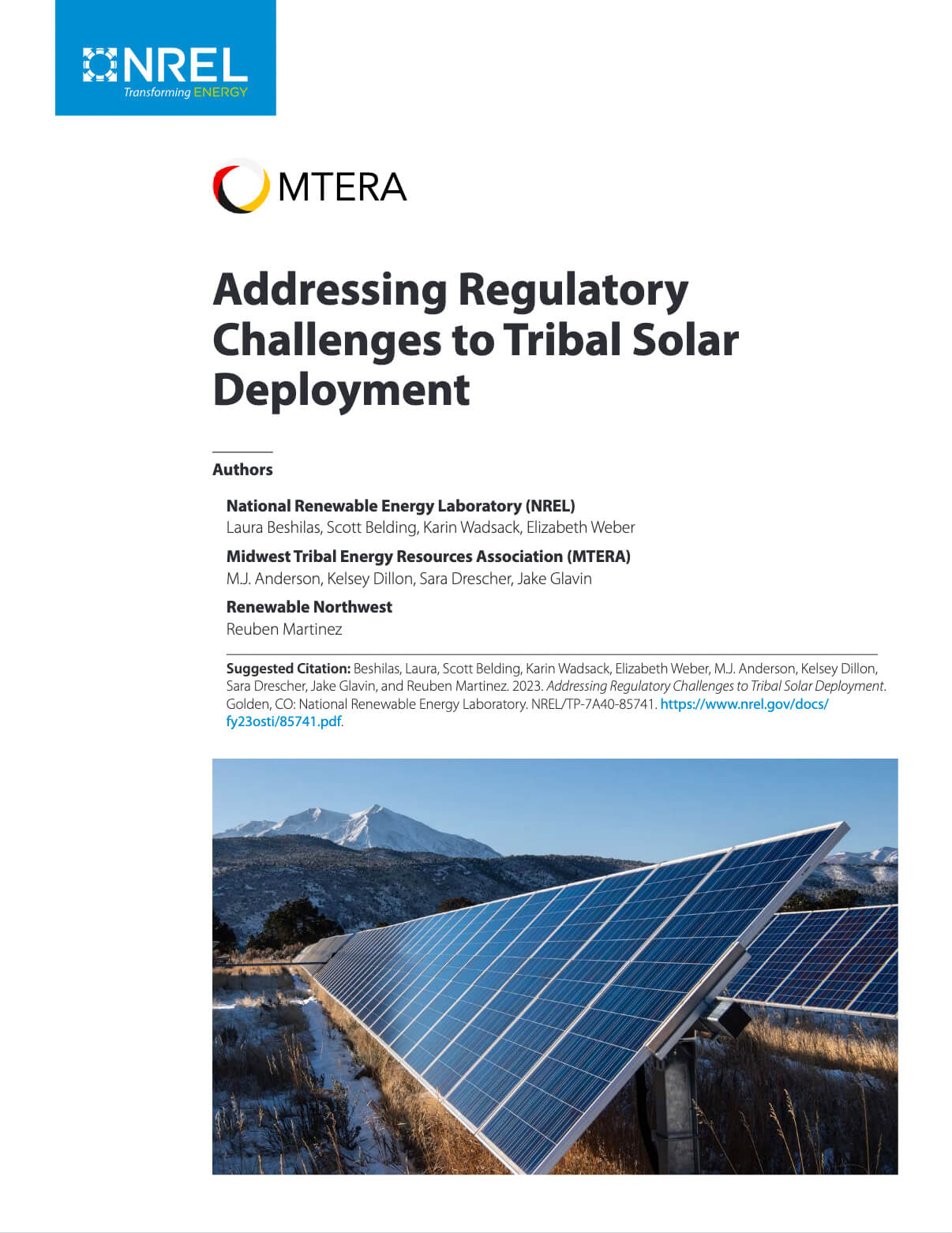
Addressing Regulatory Barriers to Tribal Solar Deployment
“Tribal land in the United States represents approximately 2% of the country’s total landmass and holds more than 5% of solar photovoltaic (PV) potential (Doris, Lopez, and Beckley 2013). This resource is largely untapped. Many Tribes are actively seeking to engage in solar development; a review of 35 Tribal strategic energy plans in 2019 revealed that 32 of 35 Tribes were exploring solar options for their communities. Many Tribes also cited regulatory hurdles to achieving these goals. This project, Addressing Regulatory Challenges to Tribal Solar Deployment, seeks to unlock some of this potential by bringing Tribal, regulatory, utility, and other stakeholders together to articulate key barriers to Tribal solar adoption and develop replicable solutions. By increasing institutional capacity and developing frameworks, trainings, and a targeted technical document repository for regulatory bodies, utilities, and Tribes, this project can help expand an emerging market.”
The collaborative efforts between National Renewable Energy Laboratory (NREL), Midwest Tribal Energy Resources Association (MTERA), the “Addressing Regulatory Challenges to Tribal Solar Deployment Guidebook” has been officially published! We couldn’t have completed this project without the many contributions; from case study interviews, one on one conversations, and listening sessions. Miigwech – Thank you to everyone that contributed to this amazing project!
Categories: GuidebookTags: Community Solar -
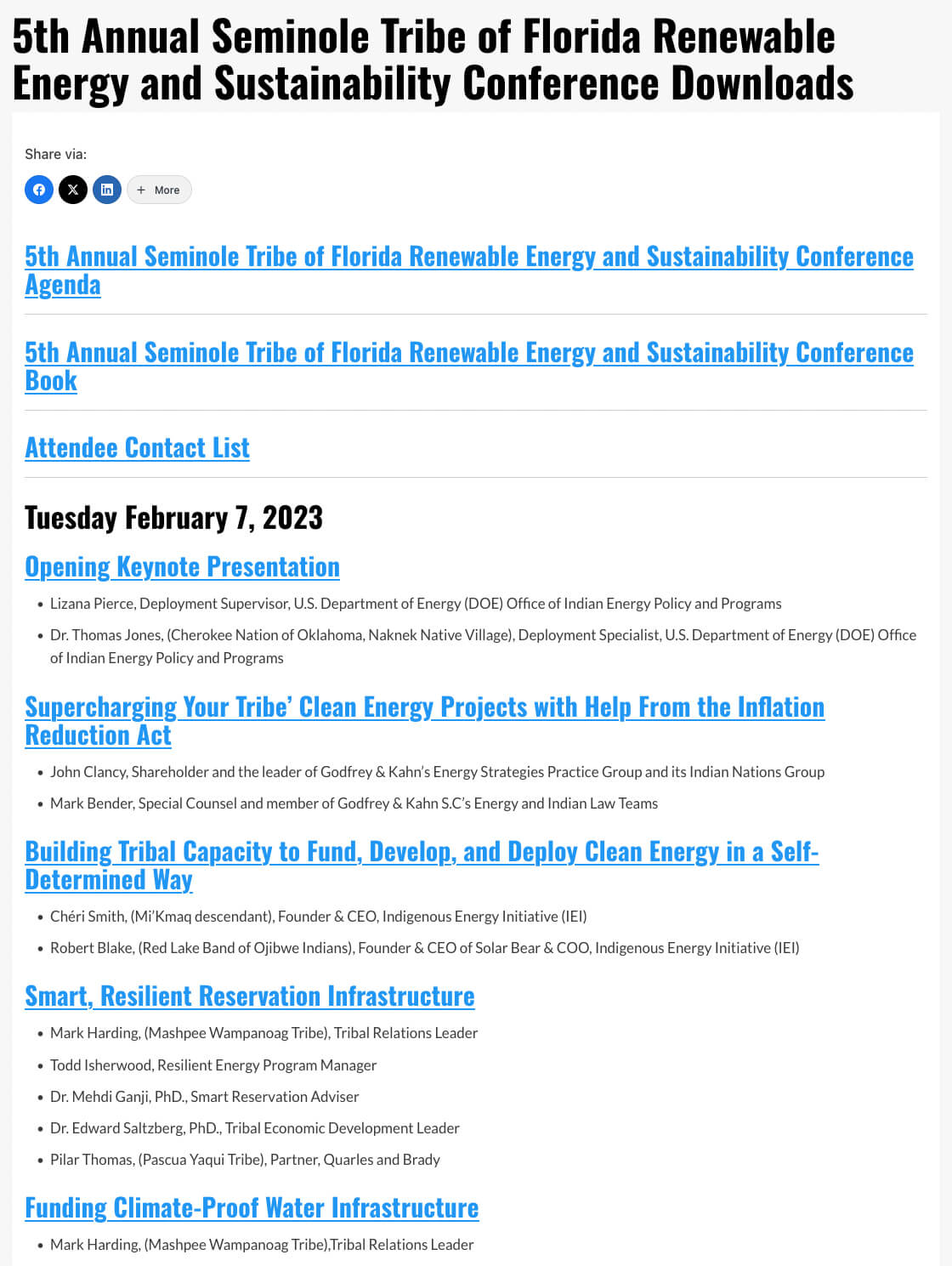
5th Annual Seminole Tribe of Florida Renewable Energy and Sustainability Conference Downloads
On behalf of the Seminole Tribe of Florida and the entire team at the Native Learning Center we would like to express our gratitude to you for your participation in the Seminole Tribe of Florida 5th Annual Renewable Energy and Sustainability Conference. Your presentation was not only extremely informative, but was an integral part of driving energy and sustainability resilience within Indian Country.
Without you, it would not have been possible for us to pull out a successful event. It is only because of your generosity to spare your time for us, that we were able to make conference such a success. There is so much more to learn from your knowledge and experience.
In addition to the materials received during to the training. Attached are a few additional links and documents, we would like to share:
- Updated slide presentations link: https://www.nativelearningcenter.com/5thannualdownloads/
- Conference video link (available in 2 weeks): https://www.youtube.com/@NativeLearningCenter
We look forward to working with you in the future!
Mvto! Sho-na-bish!
Seminole Tribe of Florida Native Learning Center
Categories: Conference -

Solar Energy Prospecting in Remote Alaska
“This analysis provides a high-level examination of the potential economics of solar energy in rural Alaska across a geographically diverse sample of remote villages throughout the state. It analyzes at a high level what combination of diesel fuel prices, solar resource quality, and PV system costs could lead to an economically competitive moderate-scale PV installation at a remote village. The goal of this analysis is to provide a baseline economic assessment to highlight the possible economic opportunities for solar PV in rural Alaska for both the public and private sectors.”
Categories: Report -
Strengthening Tribal Communities, Sustaining Future Generations
This is a brief overview of some of the ongoing programs in the US Department of Energy Office of Indian Energy Policy and Programs.
Categories: ReportTags: Planning